
Importance of Early Heart Attack Treatment:
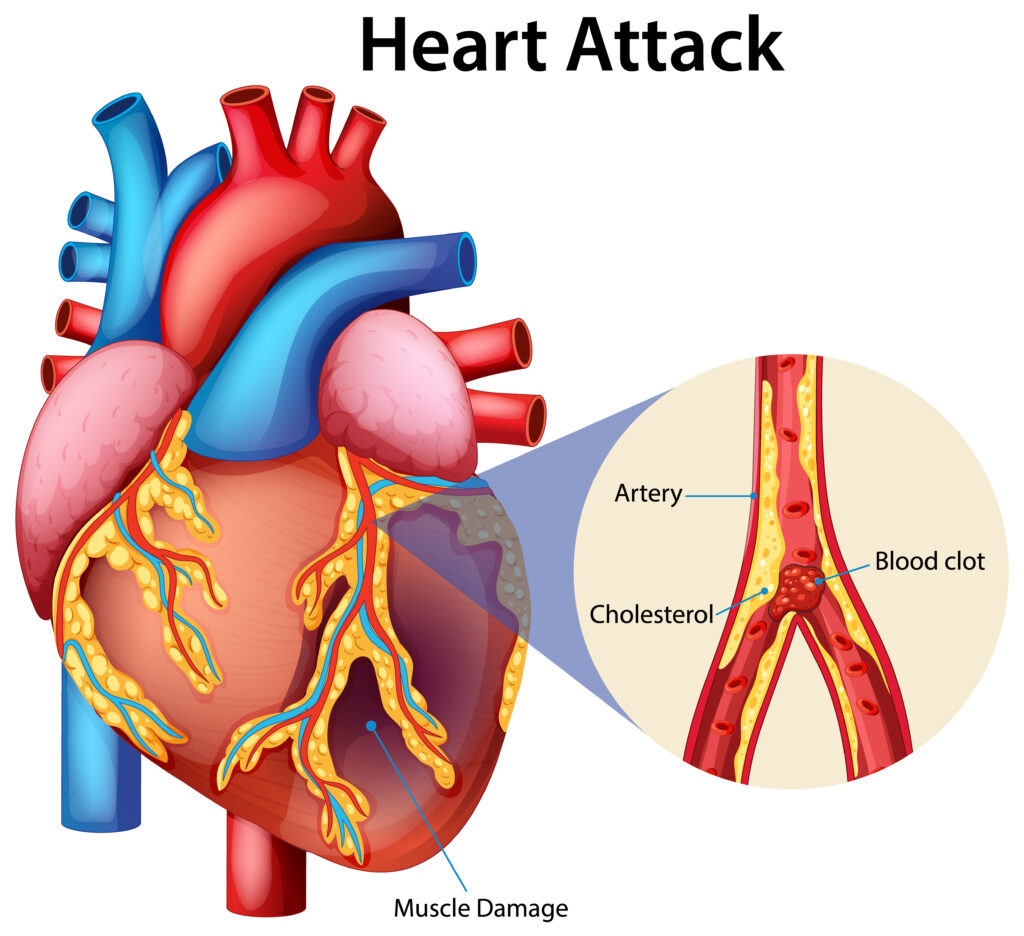
A heart attack is a sudden and serious medical event that happens when the blood flow to a part of the heart is reduced or blocked. This interruption deprives the heart muscle of oxygen, which can quickly lead to damage. Many people delay medical attention because symptoms are misunderstood, ignored, or mistaken for minor problems. However, early action can make a meaningful difference in how the heart recovers and how a person’s life continues afterwards. From a medical and public health point of view, understanding the importance of timely care is essential, whether you are a patient, caregiver, or healthcare professional. Awareness shared by experienced clinicians, including insights commonly emphasised by the best cardiologist in Balewadi, highlights how early recognition and heart attack treatment can influence survival and long-term heart function.
What Happens During a Heart Attack
The heart pumps blood throughout the body continuously. It relies on the coronary arteries to supply oxygen-rich blood to its own muscle. When one of these arteries becomes narrowed or blocked, usually due to a blood clot forming over a fatty plaque, the heart muscle begins to suffer. Unlike some tissues, the heart muscle does not regenerate easily. This is why time plays such a critical role during a heart attack.
In the early minutes, damage may be limited and reversible. As time passes, the injury becomes more extensive, leading to weakened pumping ability, rhythm problems, or even heart failure. Understanding this process helps explain why early recognition and action are central to outcomes.
Common Early Warning Signs People Miss
Not every heart attack manifests as severe chest discomfort. Many people experience subtle or unusual symptoms, which lead to delays in seeking help. Common early signs may include:
- Pressure, tightness, or discomfort in the chest
- Pain spreading to the arm, jaw, neck, back, or shoulder.
- Shortness of breath, even at rest
- Nausea, vomiting, or indigestion-like discomfort
- Cold sweats or unexplained fatigue
- Dizziness or lightheadedness
Women, older adults, and people with diabetes may have atypical symptoms, such as fatigue or breathlessness without chest pain. Recognising these early signs is a key step in reducing harm.
Why Early Treatment Changes Outcomes
Early medical care focuses on restoring blood flow to the heart as quickly as possible. When this happens promptly, the amount of heart muscle damage can be significantly reduced. This preservation of heart tissue directly affects how well the heart functions in the future.
Patients who receive timely care are more likely to recover with fewer complications. Delayed care, on the other hand, is associated with higher risks of rhythm disturbances, long-term weakness of the heart, and reduced quality of life. From years of clinical observation and medical literature, one consistent message emerges: acting early saves heart muscle.
The First Few Hours: A Critical Window
Risks of Delaying Medical Attention
- Larger areas of permanent heart muscle damage
- Increased risk of heart failure
- Life-threatening heart rhythm disturbances
- Reduced ability to return to normal daily activities
- Higher chances of recurrent cardiac events
Life After a Heart Attack
Recovery does not end after the immediate event. The extent of heart muscle damage influences long-term health. Patients with minimal damage may return to most normal activities, while those with extensive injury may face ongoing challenges.
Long-term care usually involves lifestyle adjustments, regular monitoring, and medications aimed at supporting heart function and preventing future events. Early intervention often means fewer restrictions and a better quality of life over time.
Role of Awareness and Education
Who Is at Higher Risk
- High blood pressure
- High cholesterol
- Diabetes
- Smoking
- Obesity
- Family history of heart disease
- Sedentary lifestyle
Emotional and Psychological Impact
A heart attack is not only a physical event but also an emotional one. Many patients experience anxiety, fear, or depression afterwards. Early care and clear information can reduce uncertainty and help patients feel more in control during recovery.
Support from family, healthcare teams, and structured rehabilitation programs plays an important role in emotional well-being.
The Importance of Timely Medical Decisions
Decision-making during a heart attack often happens under stress. Clear guidance, public education, and prior awareness help individuals act decisively. Understanding that early care can reduce damage empowers people to seek help without delay.
From a medical writing and research perspective, consistent evidence supports the idea that time-sensitive decisions influence both survival and recovery.
Heart Health as a Shared Responsibility
Conclusion
The importance of early action during a heart attack cannot be overstated. Quick recognition of symptoms and timely medical attention can limit damage, support recovery, and improve long-term health. Clear, patient-friendly education plays a major role in reducing delays and misunderstandings. Insights commonly reinforced in clinical settings, including those shared by the best cardiologist in Balewadi, continue to emphasise that early heart attack treatment is closely linked to better outcomes, stronger recovery, and a safer path forward for heart health.