drpuneccclinic

Author name: PuneccClinic

Health

Understanding Congenital Heart Disease: A Guide for Patients

Understanding Congenital Heart Disease: A Guide for Patients Congenital heart disease (CHD) refers to heart abnormalities present at birth. It affects millions worldwide and is a common birth defect. Understanding CHD empowers patients to take control of their health. Causes: Symptoms and Diagnosis: Treatment Options: Lifestyle Considerations: Conclusion:

Health

Transforming Heart Health: Unveiling the Remarkable TAVR Procedure

Transforming Heart Health: Unveiling the Remarkable TAVR Procedure In the realm of groundbreaking cardiac interventions, the Transcatheter Aortic Valve Replacement (TAVR) procedure shines as a beacon of hope for individuals grappling with aortic valve ailments. With its minimally invasive approach and impressive outcomes, TAVR is rewriting the script on how we approach aortic valve issues. Join us in this comprehensive exploration of the TAVR procedure, its multifaceted advantages, and its pivotal role in shaping the future of cardiac care. Navigating the Landscape of TAVR: The Ingenious Mechanics of TAVR: The Unparalleled Advantages of TAVR: Elevating Quality of Life Through TAVR: Guiding the Path to Recovery and Beyond: Pioneering Tomorrow’s Cardiac Landscape: The TAVR procedure stands as a testament to the remarkable advancements in cardiac care, instilling hope and renewed vigor in individuals contending with aortic valve challenges. With its minimally invasive technique, expedited recovery period, and exceptional success rate, TAVR is fundamentally reshaping the narrative of heart health. As technology continues to evolve, the future holds boundless promise for enhancing the lives of those facing cardiovascular conditions.

Health

Everything You Need to Know About Irregular or Abnormal Heartbeat (Arrhythmia)   

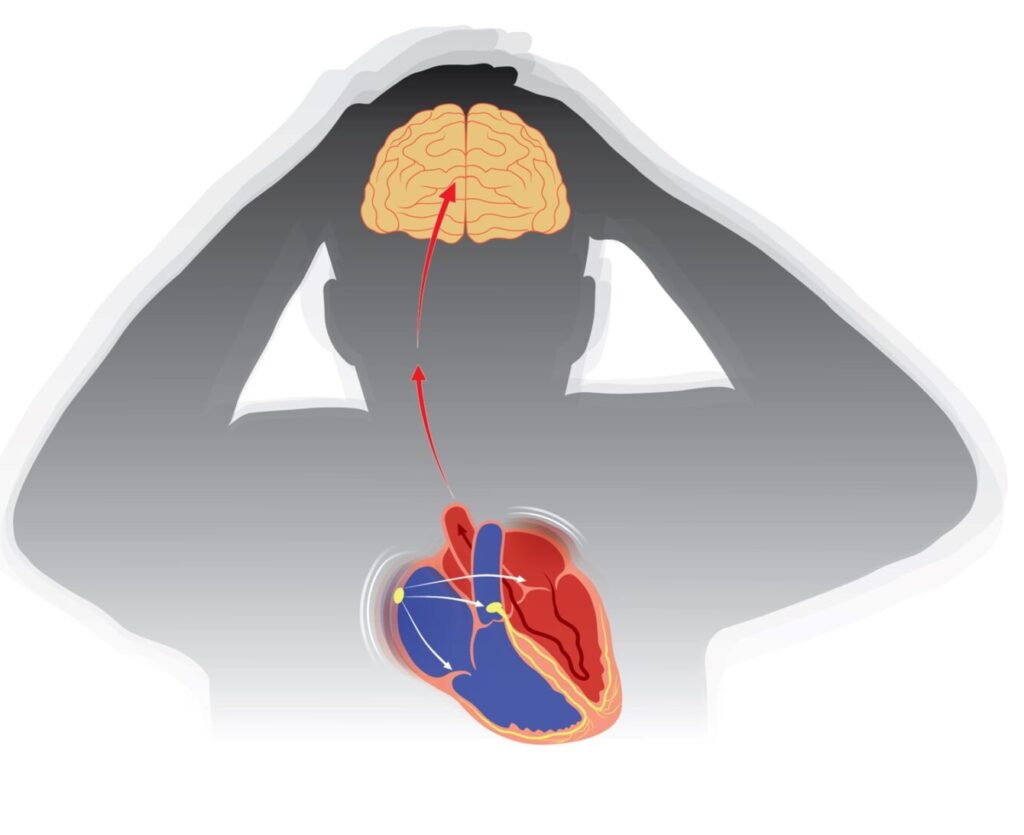
Everything You Need to Know About Irregular or Abnormal Heartbeat (Arrhythmia) Arrhythmias: What is it? An arrhythmia is an irregular heartbeat where a person’s heart may beat too quickly or slowly in an irregular rhythm.   Arrhythmia or irregular heartbeat occurs when the electrical signals in your heart do not work properly. This can affect the heartbeat and blood flow through the heart. When the blood does not flow properly to the heart, blood clots can be formed.   In case of arrhythmia, there is an increased risk of blood clots developing and travelling from your heart to other body parts.   Symptoms Of Irregular or Abnormal Heartbeat (Arrhythmia)    Arrhythmias may not cause noticeable symptoms and can be identified only during an examination by monitoring your pulse, listening to your heartbeat, or performing diagnostic tests.    Some of the commonly noted symptoms include:         What Are the Causes and Risk factors of Irregular or Abnormal Heartbeat (Arrhythmia)    Triggers and risk factors can cause an arrhythmia.    Triggers include-  Risk factors are associated with your overall health or genetics. They can depend on your age (65 years or older), gender (female), race or ethnicity, or health conditions such as:          How To Know If You Have an Irregular Heartbeat (Arrhythmia)?      Make an appointment with a doctor if you experience any symptoms of arrhythmias or if you are above 65years old. The doctor may conduct various tests to establish the presence of arrhythmias. They include- How To Treat an Irregular Heartbeat (Arrhythmia)?    Treatment of arrhythmias depends on the type and severity of the condition. In some cases, treatment is not necessary.  Treatment options include lifestyle changes, medications, electrical devices, invasive therapies, or surgery.     Heart-rate control drugs are drugs used to regulate the heart rate, and certain heart medications are used to treat other related conditions that may be causing an irregular heart rhythm.   Devices: The cardiologist may insert instruments like a permanent pacemaker or implantable cardioverter defibrillator to maintain the heart’s rhythm.   How To Prevent Irregular Heartbeat (Arrhythmia)?    Heart arrhythmias may be prevented by making lifestyle changes that lower the risk of developing heart disease.  Lifestyle changes for heart health include:   Do’s & Don’ts to Prevent Irregular Heart Beats? (Arrhythmia)   Do’s:    Don’ts:    Inform your doctor about all the medicines you use, especially those bought without a prescription. Arrhythmias can have serious consequences if left untreated. It is important to recognize the symptoms and seek medical attention promptly. With proper diagnosis and treatment, individuals with arrhythmia can lead healthy and active life.

Health

Know More About Coronary Artery Disease

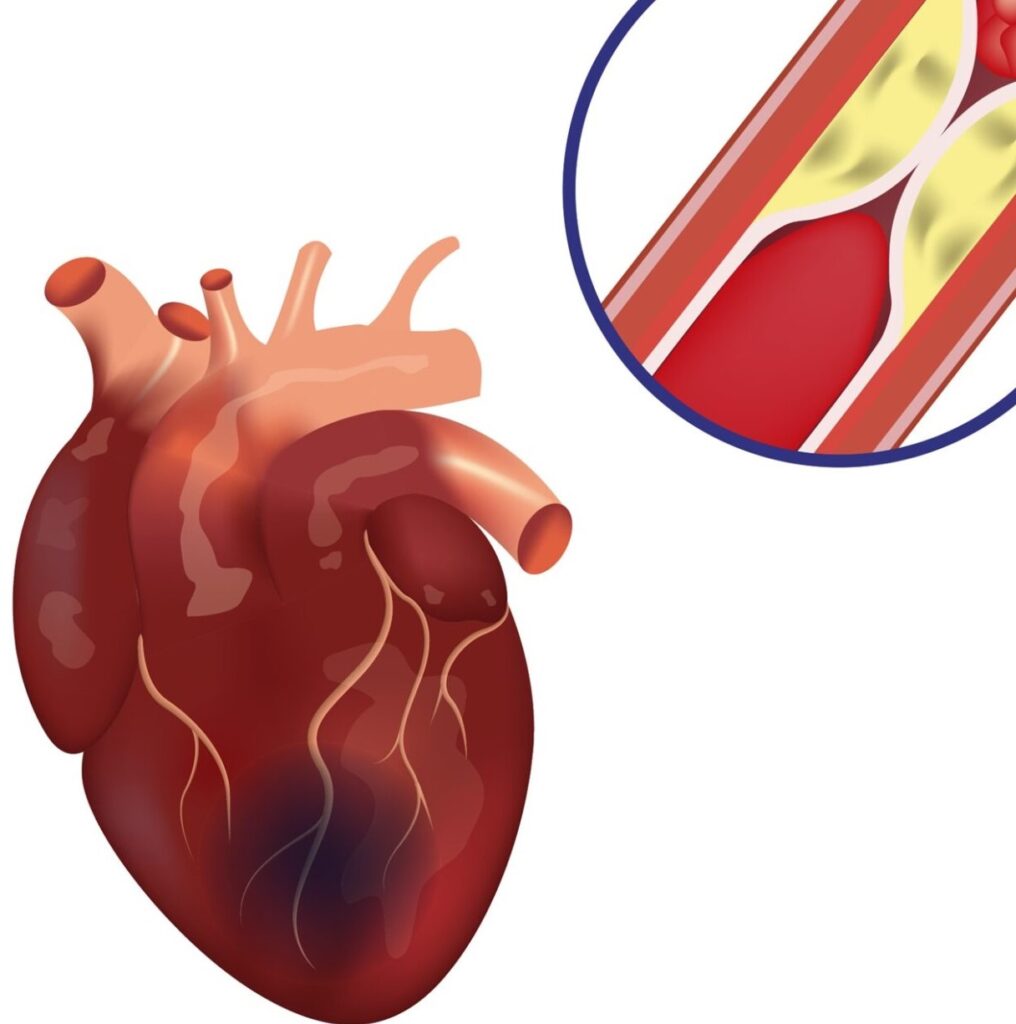
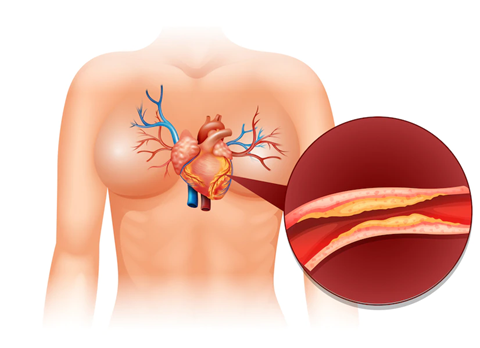
Know More About Coronary Artery Disease Coronary artery disease (CAD) is a condition that affects the coronary arteries, which are responsible for supplying oxygen and nutrients to the heart muscle. This condition occurs when the arteries become narrow or blocked due to the buildup of plaque, leading to reduced blood flow to the heart. Symptoms •            Chest pain or discomfort (angina) •            Shortness of breath •            Nausea or dizziness •            Pain or discomfort in the arms, shoulders, neck, jaw, or back Causes •            Buildup of plaque in the coronary arteries •            High blood pressure •            High cholesterol levels •            Smoking •            Diabetes •            Obesity •            Lack of physical activity •            Family history of CAD Risk factors •            Age (risk increases after age 45 for men and after age 55 for women) •            Gender (men are at higher risk than women) •            Family history of CAD •            Smoking •            High blood pressure •            High cholesterol levels •            Diabetes •            Obesity •            Lack of physical activity •            Stress To prevent CAD, it is important to make lifestyle changes such as: •            Quitting smoking •            Maintaining a healthy weight •            Eating a heart-healthy diet •            Exercising regularly •            Managing stress •            Managing underlying health conditions such as high blood pressure and diabetes Diagnosis tests •            Electrocardiogram (ECG) •            Stress test •            Echocardiogram •            Cardiac catheterization Treatment •            Lifestyle changes •            Medications such as aspirin, beta-blockers, and cholesterol-lowering drugs •            Medical procedures such as angioplasty and stent placement •            Surgery such as bypass surgery Myth and fact •            Myth: Only older people get CAD. •            Fact: CAD can affect people of any age, including children and young adults. Patient FAQs Can CAD be cured? While CAD cannot be cured, it can be managed through lifestyle changes and medical treatment. What is the best diet for preventing CAD? A heart-healthy diet that is low in saturated and trans fats, cholesterol, and sodium, and high in fruits, vegetables, whole grains, lean proteins, and healthy fats is recommended. Can stress cause CAD? While stress is not a direct cause of CAD, it can contribute to the development of risk factors such as high blood pressure and unhealthy coping behaviors such as smoking and overeating. In conclusion, CAD is a serious condition that requires prompt diagnosis and treatment. By making lifestyle changes and managing underlying health conditions, it is possible to reduce the risk of CAD and improve overall heart health.

Health

Know About Congestive Heart Disease (Heart Failure)

Know About Congestive Heart Disease (Heart Failure) A condition in which the heart is unable to pump enough blood to meet the body’s needs. CHD is also known as heart failure and is a common form of cardiovascular disease that affects millions of people worldwide. It is a critical condition that can cause a reduction in blood flow to vital organs like the brain, liver, and kidneys, ultimately causing organ damage. Symptoms of CHD The symptoms of CHD may vary from person to person, depending on the severity of the condition. Some common symptoms of CHD include: • Shortness of breath • Edema (swelling in the feet, ankles, or legs) • Arrhythmia (irregular heartbeat) • Exercise intolerance • Fatigue • Pulmonary edema (fluid in the lungs) Causes of CHD CHD can be caused by various factors, including: • Coronary artery disease (CAD) • Hypertension (high blood pressure) • Cardiomyopathy (disease of the heart muscle) • Heart attack • Valvular heart disease • Congenital heart defects • Diabetes • Obesity • Sleep apnea Diagnosis of CHD To diagnose CHD, your doctor will perform a physical exam and may recommend one or more of the following tests: • Echocardiogram (uses sound waves to create images of the heart) • Electrocardiogram (records the electrical activity of the heart) • Chest X-ray (to check for fluid buildup in the lungs) • Cardiac catheterization (uses a thin, flexible tube to measure the pressure and blood flow in the heart) Treatment of CHD The treatment of CHD depends on the underlying cause and severity of the condition. Some common treatments for CHD include: • Lifestyle changes (such as quitting smoking, maintaining a healthy weight, and exercising regularly) • Medications (such as diuretics, ACE inhibitors, and beta-blockers) • Surgery (such as heart valve replacement or coronary artery bypass surgery) • Implantable devices (such as pacemakers or implantable cardioverter defibrillators) Prevention of CHD There are several ways to prevent CHD, including: • Quitting smoking • Maintaining a healthy weight • Eating a healthy diet (low in saturated fat and salt) • Exercising regularly • Managing stress • Controlling high blood pressure and diabetes FAQs about CHD Q: Is CHD the same as a heart attack? A: No, CHD and heart attack are not the same. CHD is a condition in which the heart is unable to pump enough blood, while a heart attack occurs when there is a blockage in the blood vessels that supply the heart. Q: Can CHD be cured? A: While there is no cure for CHD, the condition can be managed with proper treatment and lifestyle changes. Q: Is CHD hereditary? A: CHD can run in families, but it is not solely caused by genetics. Lifestyle factors also play a significant role in the development of CHD. Diet changes for CHD A healthy diet is an essential part of managing CHD. Some dietary changes that can help manage CHD include: • Eating a diet low in saturated fat and salt • Including more fruits, vegetables, and whole grains in your diet • Limiting alcohol intake • Avoiding sugary drinks and foods

Health

How to Detect and Prevent a Heart Attack?

How to Detect and Prevent a Heart Attack? Heart attack is the leading cause of death in the world today. It is important to be aware of the warning signs and symptoms of a heart attack and to know how to prevent it. In this blog, we’ll discuss what a heart attack is, its risk factors, the signs and symptoms of a heart attack, and how to prevent it. What Is a Heart Attack? A heart attack occurs when the blood supply to part of the heart is blocked, usually by a clot. This causes the heart muscle to become deprived of oxygen and nutrients, leading to cell death. This can cause permanent damage to the heart. Risk Factors for Heart Attack There are several risk factors that increase the likelihood of having a heart attack. These include: Signs and Symptoms of a Heart Attack Some of the signs and symptoms of a heart attack include: How to Prevent a Heart Attack? There are several things you can do to reduce the risk of having a heart attack. These include: Heart attack is the leading cause of death in the world today. It is important to be aware of the signs and symptoms of a heart attack and to take steps to reduce the risk of having one. Eating a healthy diet, exercising regularly, quitting smoking, managing stress, taking care of your heart, and getting regular checkups can all help reduce the risk of having a heart attack.

Health

Understanding Atrial Fibrillation: The Dance of the Heart

Understanding Atrial Fibrillation: The Dance of the Heart Atrial fibrillation (AFib) is like an erratic dance performed by the heart’s upper chambers, known as the atria. In this irregular rhythm, the atria quiver instead of contracting effectively, leading to compromised blood flow. This condition poses significant risks if left untreated. The Basics of Atrial Fibrillation Normally, the heart’s electrical system coordinates the rhythmic contraction and relaxation of its chambers, ensuring efficient blood circulation. However, in AFib, this coordination falters, causing the atria to fibrillate or quiver irregularly. Consequently, blood pools in the atria, increasing the risk of clot formation, which can potentially lead to stroke if these clots travel to the brain. Causes and Risk Factors Various factors contribute to the development of AFib. These include: Signs and Symptoms AFib manifests differently among individuals. Some may experience pronounced symptoms, while others remain asymptomatic. Common signs and symptoms include: Palpitations: Irregular heartbeat sensations often described as rapid fluttering or pounding. Fatigue: Unexplained tiredness or weakness, even with minimal exertion. Shortness of Breath: Difficulty breathing, particularly during physical activity or when lying flat. Dizziness or Lightheadedness: Feeling faint or dizzy, sometimes leading to fainting spells. Chest Pain: Though less common, chest discomfort or pressure may occur. Managing Atrial Fibrillation Effective management of AFib aims to control heart rate, restore normal rhythm, and prevent complications such as stroke. Treatment strategies may include: Medications: Antiarrhythmic drugs, blood thinners (anticoagulants), and rate-control medications are commonly prescribed. Cardioversion: Electrical cardioversion or pharmacological cardioversion may be performed to restore normal rhythm. Ablation Therapy: Catheter ablation procedures target and eliminate abnormal electrical pathways in the heart. Lifestyle Modifications: Adopting a heart-healthy lifestyle, including regular exercise, a balanced diet, and abstaining from smoking and excessive alcohol, can help manage AFib. Stroke Prevention: Anticoagulant medications are crucial for preventing blood clot formation and reducing stroke risk. The Importance of Monitoring and Awareness Regular monitoring and awareness are pivotal in managing AFib. Individuals diagnosed with AFib should: Monitor Symptoms: Stay vigilant for any changes in symptoms and report them to their healthcare provider promptly. Follow Treatment Plans: Adhere to prescribed medications and lifestyle recommendations. Regular Check-ups: Schedule regular follow-up appointments with healthcare providers to monitor heart health and adjust treatment as needed. While atrial fibrillation may seem like a chaotic dance of the heart, understanding its intricacies empowers individuals to take control of their health. Through effective management, including medication, lifestyle modifications, and regular monitoring, individuals with AFib can lead fulfilling lives while minimizing the risks associated with this condition. Remember, your heart’s rhythm may falter, but with proper care, its melody can continue to resonate strong and steady.

Health

Understanding Cardiomyopathy

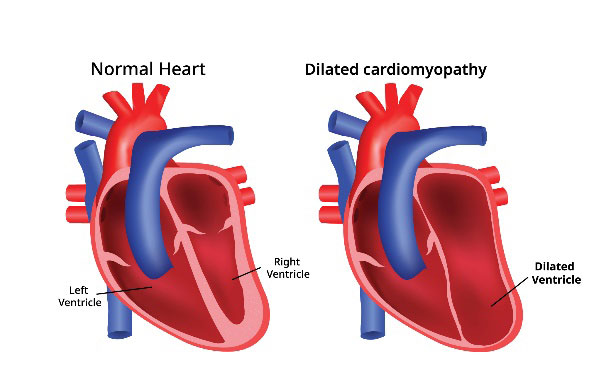
Understanding Cardiomyopathy What is Cardiomyopathy? Types of Cardiomyopathy: Other types of cardiomyopathies include: What are the symptoms of cardiomyopathy? Some people have no symptoms. As the disease progresses, others may experience the above symptoms Causes of Cardiomyopathy Risk factors Of Cardiomyopathy How is cardiomyopathy diagnosed? How Is Cardiomyopathy Treated? How Can I Reduce My Risk Of Cardiomyopathy? Preventive steps help reduce your risk of conditions that could lead to cardiomyopathy Frequently Asked Questions On Cardiomyopathy  Can Cardiomyopathy be cured? No! Cardiomyopathy cannot be cured. It can be controlled by medication. In some cases, addressing the underlying cause can cure the condition. Can children get cardiomyopathy? Yes! The condition can affect people of any age. Cardiomyopathy can lead to progressive heart dysfunction and complications if left untreated. Seeking early medical intervention is crucial for optimal management and improved outcomes.

Health

Congenital Heart Disease: What is it?

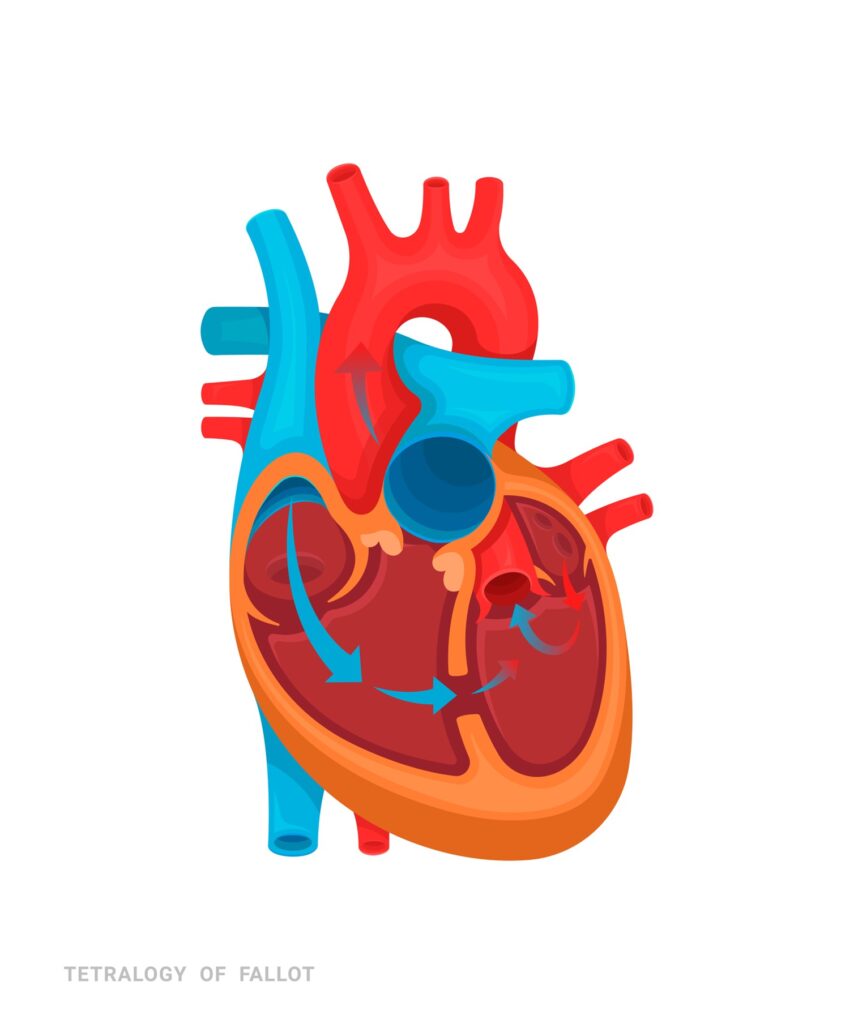
Congenital Heart Disease: What is it? It is a condition that affects the heart’s structure and function that is present since birth. It is a group of heart defects or abnormalities that can appear at any age. The condition may affect the heart’s walls, valves, blood vessels, or the electrical system that regulates the heartbeat. Some forms of CHD may not cause any problems, while others can be life-threatening. Symptoms of Congenital Heart Disease The symptoms of CHD may vary depending on the type and severity of the condition, but some common symptoms are: Causes and Risk Factors of Congenital Heart Disease The exact causes of CHD are not known, but certain risk factors can increase the chances of developing the condition, including: Diagnosis of Congenital Heart Disease The diagnosis of CHD typically involves several tests, including: Treatment of Congenital Heart Disease Congenital Heart Disease: Preventive Measures There are no known ways to prevent CHD, but certain measures can reduce the risk of the condition, such as: Congenital Heart Disease: Lifestyle Changes Making certain lifestyle changes can help manage the symptoms of CHD, including: Diet changes for People Dealing with Congenital Heart Disease People with congenital heart disease can live long, healthy lives with proper medical care and management. Regular check-ups with a cardiologist and following a healthy lifestyle can help prevent complications and improve overall health. It is important for individuals with congenital heart disease to stay informed about their condition and to work closely with their healthcare team to manage their care.

Health

Coronary Angioplasty: An Effective Treatment Option for Heart Diseases

Coronary Angioplasty: An Effective Treatment Option for Heart Diseases What is Coronary Angioplasty? Types of Coronary Angioplasty 2 main types: Your doctor will discuss the treatment options and decide which is the best for you. Indications for Coronary Angioplasty Coronary Angioplasty: How to Prepare? Note Coronary Angioplasty: What to Expect? Your doctor will After Coronary Angioplasty: When to Call Your Doctor? Inform your doctor if you have trouble with any medications after the surgery. Coronary Angioplasty: Recovery Care Drink plenty of fluids as it helps to flush out contrast dye from your body FAQ: What are the Benefits of Coronary Angioplasty? FAQ: Does coronary angioplasty hurt? NO! The doctor will numb the area, and you may feel slight pressure while inserting the catheter. It is important to discuss the benefits and risks of coronary angioplasty with your doctor to determine if it is the right treatment option for an individual’s specific condition. Overall, coronary angioplasty can be an effective and life-saving procedure for those with coronary artery disease.

Scroll to Top