
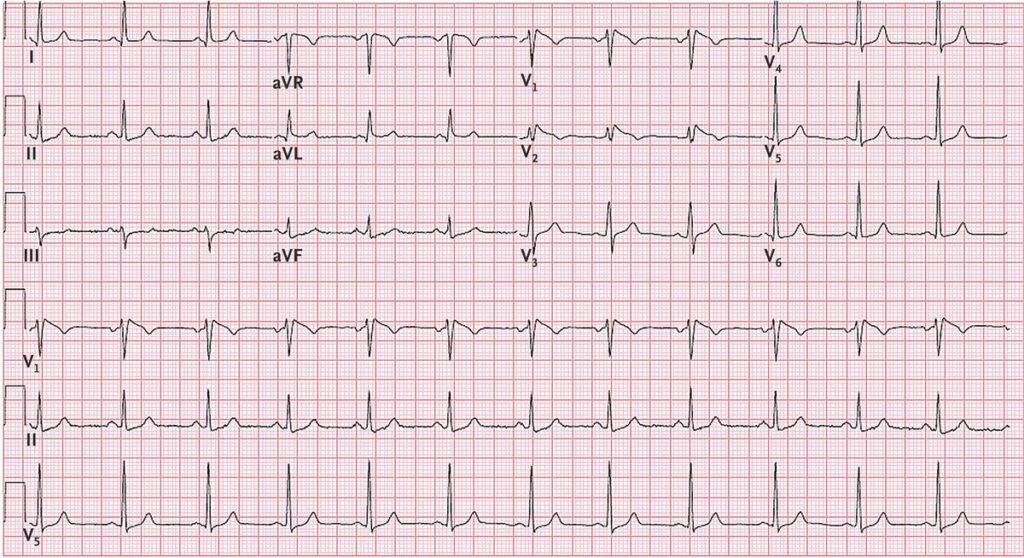
Health
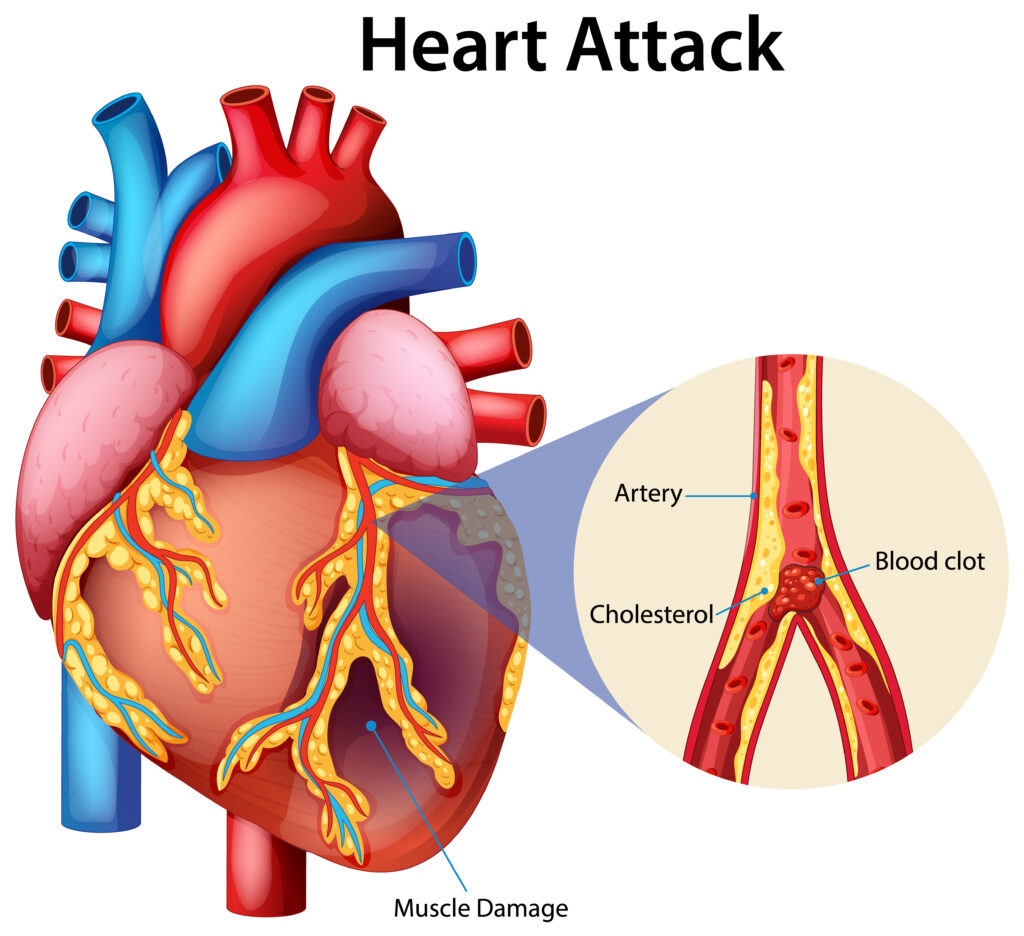
Importance of Early Heart Attack Treatment: Why Every Minute Matters
Importance of Early Heart Attack Treatment: A heart attack is a sudden and serious medical event that happens when the blood flow to a part of the heart is reduced or blocked. This interruption deprives the heart muscle of oxygen, which can quickly lead to damage. Many people delay medical attention because symptoms are misunderstood, ignored, or mistaken for minor problems. However, early action can make a meaningful difference in how the heart recovers and how a person’s life continues afterwards. From a medical and public health point of view, understanding the importance of timely care is essential, whether you are a patient, caregiver, or healthcare professional. Awareness shared by experienced clinicians, including insights commonly emphasised by the best cardiologist in Balewadi, highlights how early recognition and heart attack treatment can influence survival and long-term heart function. What Happens During a Heart Attack The heart pumps blood throughout the body continuously. It relies on the coronary arteries to supply oxygen-rich blood to its own muscle. When one of these arteries becomes narrowed or blocked, usually due to a blood clot forming over a fatty plaque, the heart muscle begins to suffer. Unlike some tissues, the heart muscle does not regenerate easily. This is why time plays such a critical role during a heart attack. In the early minutes, damage may be limited and reversible. As time passes, the injury becomes more extensive, leading to weakened pumping ability, rhythm problems, or even heart failure. Understanding this process helps explain why early recognition and action are central to outcomes. Common Early Warning Signs People Miss Not every heart attack manifests as severe chest discomfort. Many people experience subtle or unusual symptoms, which lead to delays in seeking help. Common early signs may include: Pressure, tightness, or discomfort in the chest Pain spreading to the arm, jaw, neck, back, or shoulder. Shortness of breath, even at rest Nausea, vomiting, or indigestion-like discomfort Cold sweats or unexplained fatigue Dizziness or lightheadedness Women, older adults, and people with diabetes may have atypical symptoms, such as fatigue or breathlessness without chest pain. Recognising these early signs is a key step in reducing harm. Why Early Treatment Changes Outcomes Early medical care focuses on restoring blood flow to the heart as quickly as possible. When this happens promptly, the amount of heart muscle damage can be significantly reduced. This preservation of heart tissue directly affects how well the heart functions in the future. Patients who receive timely care are more likely to recover with fewer complications. Delayed care, on the other hand, is associated with higher risks of rhythm disturbances, long-term weakness of the heart, and reduced quality of life. From years of clinical observation and medical literature, one consistent message emerges: acting early saves heart muscle. The First Few Hours: A Critical Window The first few hours after symptom onset are often referred to as the most critical period. During this time, restoring blood flow can prevent irreversible injury. Medical studies have repeatedly shown that outcomes are better when intervention happens early rather than late. This does not mean that care after several hours has no value, but earlier attention generally leads to better recovery. Public education campaigns worldwide focus on this window because it represents an opportunity to limit long-term damage. Risks of Delaying Medical Attention Delaying medical care during a heart attack can have serious consequences. Some of the potential risks include: Larger areas of permanent heart muscle damage Increased risk of heart failure Life-threatening heart rhythm disturbances Reduced ability to return to normal daily activities Higher chances of recurrent cardiac events Many delays occur because people wait to see if symptoms pass or try home remedies. Unfortunately, this waiting period can allow the condition to worsen. Life After a Heart Attack Recovery does not end after the immediate event. The extent of heart muscle damage influences long-term health. Patients with minimal damage may return to most normal activities, while those with extensive injury may face ongoing challenges. Long-term care usually involves lifestyle adjustments, regular monitoring, and medications aimed at supporting heart function and preventing future events. Early intervention often means fewer restrictions and a better quality of life over time. Role of Awareness and Education Public awareness is one of the most effective tools in reducing heart attack-related deaths. When people understand symptoms and risks, they are more likely to seek help quickly. Education also helps reduce fear and confusion during emergencies. Healthcare professionals, researchers, and educators play a vital role in sharing accurate, clear information. Medical content written in simple language helps bridge the gap between clinical knowledge and public understanding. Who Is at Higher Risk A heart attack is more likely to occur under certain situations. These include: High blood pressure High cholesterol Diabetes Smoking Obesity Family history of heart disease Sedentary lifestyle Knowing these risk factors allows individuals to stay alert to symptoms and seek care without hesitation if something feels wrong. Emotional and Psychological Impact A heart attack is not only a physical event but also an emotional one. Many patients experience anxiety, fear, or depression afterwards. Early care and clear information can reduce uncertainty and help patients feel more in control during recovery. Support from family, healthcare teams, and structured rehabilitation programs plays an important role in emotional well-being. The Importance of Timely Medical Decisions Decision-making during a heart attack often happens under stress. Clear guidance, public education, and prior awareness help individuals act decisively. Understanding that early care can reduce damage empowers people to seek help without delay. From a medical writing and research perspective, consistent evidence supports the idea that time-sensitive decisions influence both survival and recovery. Heart Health as a Shared Responsibility Heart health is not managed by one person alone. Patients, families, healthcare professionals, and communities all contribute to better outcomes. Prompt recognition of symptoms, trust in medical systems, and access to timely care form the foundation of an effective response. Educational content that explains these concepts in simple terms helps create a
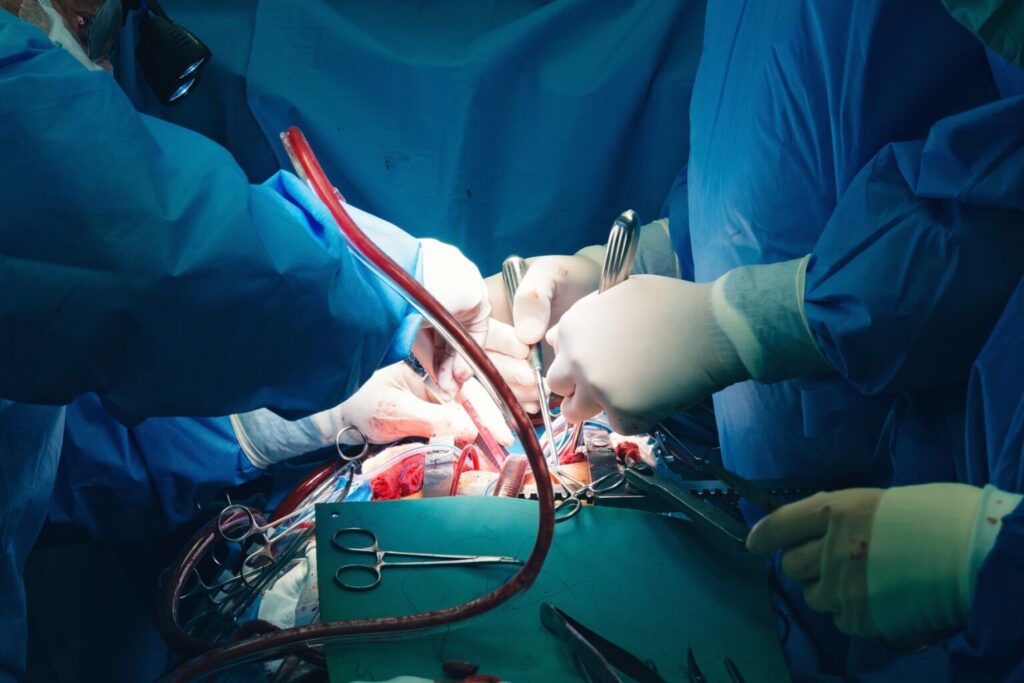
Heart Bypass Surgery: Everything You Need to Know
Heart Bypass Surgery: Everything You Need to Know Coronary Artery Bypass Grafting (CABG) Heart Bypass Surgery is a procedure to improve heart function and reduce the risk of dying from heart disease. Heart bypass surgery or coronary artery bypass grafting (CABG) is the most common heart surgery performed on adults, especially older adults. Your doctor may recommend coronary bypass surgery when one or more blood vessels that transport blood to the heart muscles are blocked partially. Heart bypass surgery is a safe and effective procedure to help reduce the risk of heart attack and ease symptoms like chest pain. On average, people around 65 years or older (more in men) will need a heart bypass surgery. Why Do You Need Heart Bypass Surgery? Your heart works 24/7, supplying blood to your entire body through arteries (blood vessels). Blockage or narrowing of these arteries limits blood flow to the body; a condition called coronary artery disease. Heart Bypass Surgery or coronary artery bypass graft surgery (CABG) is used to treat coronary artery disease (narrowing of blood vessels that supply oxygen and nutrients to the heart muscle). This narrowing is due to the build-up of fatty material in the walls of the arteries causing blockages and limiting the supply of oxygen-rich blood to the heart. Most people have impressive results and can live symptom-free for a decade with a healthy diet, exercise, and medications. When Will Your Doctor Suggest Heart Bypass Surgery? Heart bypass surgery, CABG, is the most common treatment for blocked heart arteries. Your doctor may recommend a bypass if- • You Have Sudden And Severe Chest Pain • You Have More Than One Blocked Artery • Your Left Coronary Artery (Main Artery) Is Severely Narrowed or Blocked • Your Blocked Artery Cannot Be Treated with Medications or Other Procedures • You Have New Blockages Heart bypass surgery is also performed in emergency cases of a severe heart attack when the patient is not responding to other treatments. What are the risks associated with heart bypass surgery? Risks of heart bypass surgery or coronary artery bypass graft surgery (CABG) include: • Bleeding (during or after surgery) • Blood clots causing a heart attack, stroke, or lung problems • Infection at the surgery site • Pneumonia (infection in the lungs) • Breathing problems • Pancreatitis (inflammation of the pancreas) • Kidney failure • Irregular heart rhythms • Failure of the graft Your doctor will discuss the risks and any other concerns before the procedure. A Day Before Your Surgery Your doctor will conduct several tests like ECG, stress test, X-ray, and blood tests to see your heart condition and if it is safe for you to have the surgery or not. Things to follow before heart bypass surgery- • Hold back any medications containing aspirin three days before the surgery • Stop smoking and drinking alcohol immediately • Avoid eating or drinking on the night before surgery • Follow any instructions provided by your doctor What to expect during heart bypass surgery? CABG is a complex procedure that takes several hours to complete. After the surgery, you may need to remain in the hospital for about a week. While leaving the hospital, most people will need a cardiac rehabilitation program to recover and rebuild strength. It usually includes specific physiotherapy exercises, diet changes, and counseling. You can return to normal activities after about six weeks, and most people fully recover within 12 weeks (about 3 months).

Understanding Arrhythmias: What You Need to Know
Understanding Arrhythmias: What You Need to Know Stay Informed About the Warning Signs and Symptoms of Arrhythmias In today’s fast-paced world, where stress and unhealthy lifestyles have become commonplace, it’s essential to pay attention to our heart health. One significant aspect of heart health that often goes unnoticed is arrhythmias. An arrhythmia is a condition where your heart’s rhythm becomes irregular, potentially leading to serious health issues if left untreated. In this blog, we will delve into what arrhythmias are, how to recognize their warning signs, and steps you can take to ensure your heart’s well-being. What Are Arrhythmias? Before we dive into the warning signs, let’s understand what arrhythmias are. Arrhythmias refer to abnormal heart rhythms that can manifest in various ways. The heart’s rhythm is regulated by electrical signals that coordinate its contractions. When these signals go awry, your heart can beat too quickly (tachycardia), too slowly (bradycardia), or irregularly. Key Types of Arrhythmias: Recognizing the Warning Signs: Early detection of arrhythmias is crucial for effective treatment. Here are the warning signs you should be aware of: Acting for Heart Health: If you notice any of the warning signs, it’s crucial to consult a healthcare professional promptly. Early intervention can prevent potential complications. Here are steps you can take for better heart health: Conclusion: Prioritize Your Heart Health Arrhythmias might seem daunting, but with awareness, early detection, and proper management, you can significantly reduce their impact on your life. Listen to your body and recognize the warning signs, as they are crucial indicators of underlying issues. By adopting a heart-healthy lifestyle and seeking medical attention when necessary, you can take control of your heart health and enjoy a fulfilling, rhythmically sound life.

How Stress Affects Arrhythmia: Tips for Managing Stress
How Stress Affects Arrhythmia: Tips for Managing Stress Stress has become an inevitable part of modern life, and its impact on our health cannot be ignored. One area where stress can significantly affect our well-being is cardiovascular health. Stress has been found to play a role in the development and worsening of arrhythmias, abnormal heart rhythms that can disrupt the normal functioning of the heart. In this blog post, we will explore how stress affects arrhythmia and provide some practical tips for managing stress effectively. How Stress Affects Arrhythmia: Tips for Managing Stress: Stress can have a detrimental effect on arrhythmias, both by triggering episodes and worsening existing conditions. By implementing effective stress management techniques and making positive lifestyle changes, you can significantly reduce the impact of stress on your cardiovascular health. Remember, managing stress is a lifelong commitment to your well-being, and every small step counts towards a healthier and more balanced life.
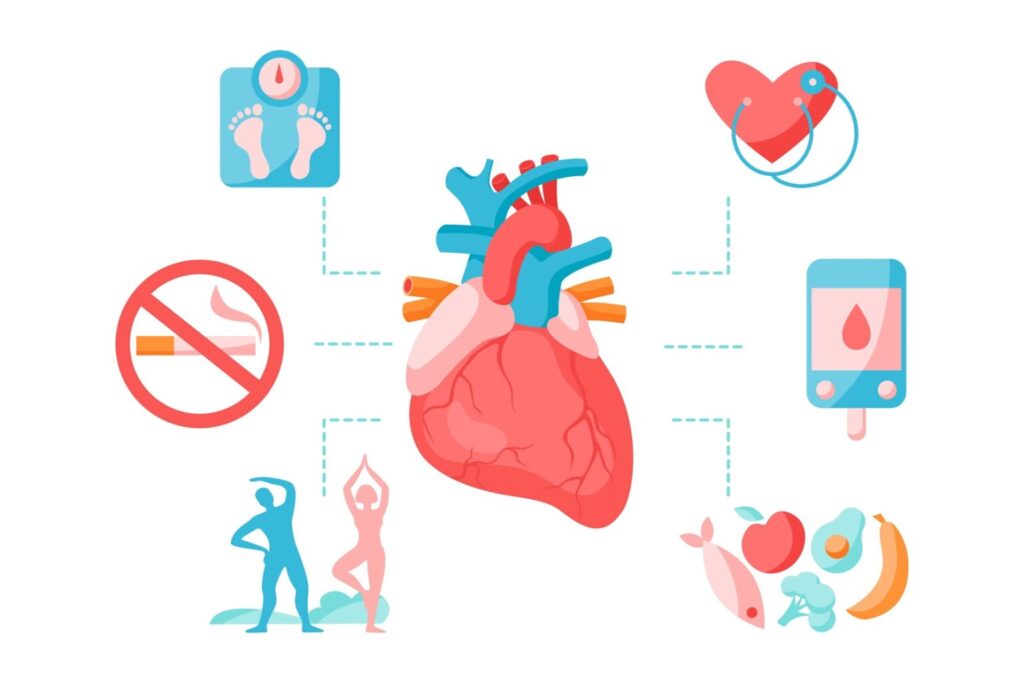
Congestive Heart Disease Lifestyle Changes for Better Management
Congestive Heart Disease Lifestyle Changes for Better Management Congestive Heart Disease (CHD), commonly known as heart failure, requires comprehensive lifestyle adjustments to alleviate its impact and enhance overall well-being. By adopting targeted lifestyle changes, individuals can effectively manage CHD and potentially enhance their quality of life. Here’s a guide to essential modifications: Key Lifestyle Modifications for CHD Management: Incorporate these targeted lifestyle adjustments into your routine to better manage Congestive Heart Disease. Consult your healthcare provider before implementing significant changes, and adhere to their guidance for optimal results. By doing so, you can take significant strides toward enhancing your heart health and overall well-being.

Nutrition for Congestive Heart Disease (CHD)
Nutrition for Congestive Heart Disease (CHD) Understanding the Role of Nutrition in Managing CHD Congestive Heart Disease (CHD), or heart failure, requires medical intervention, but adopting a heart-healthy diet is vital for managing symptoms and improving well-being. Key Nutritional Considerations for CHD Management: In Summary: A balanced diet positively impacts CHD management. Consult healthcare professionals before making significant dietary changes.

Recognizing and Responding to Cardiac Arrest: First Aid Tips
Recognizing and Responding to Cardiac Arrest: First Aid Tips Introduction: Cardiac arrest is a critical medical emergency that can occur unexpectedly, causing the heart to stop beating and leading to a lack of blood flow to vital organs. Prompt recognition and response are crucial for increasing the chances of survival. In this blog, we will provide simple first aid tips to help you recognize and respond effectively during a cardiac arrest. Recognizing Cardiac Arrest: Responding to Cardiac Arrest: Additional Considerations: Recognizing and responding promptly to a cardiac arrest can make a significant difference in saving lives. By understanding the signs of cardiac arrest and knowing how to perform chest compressions and use an AED, you can be prepared to help during such emergencies. Remember to call for emergency help, consider CPR training, and spread awareness to empower others with life-saving skills. Note: For accurate and reliable information, consult medical professionals or reputable sources for specific guidance on cardiac arrest and first aid procedures.
Ventricular Fibrillation: Understanding the Deadly Heart Rhythm
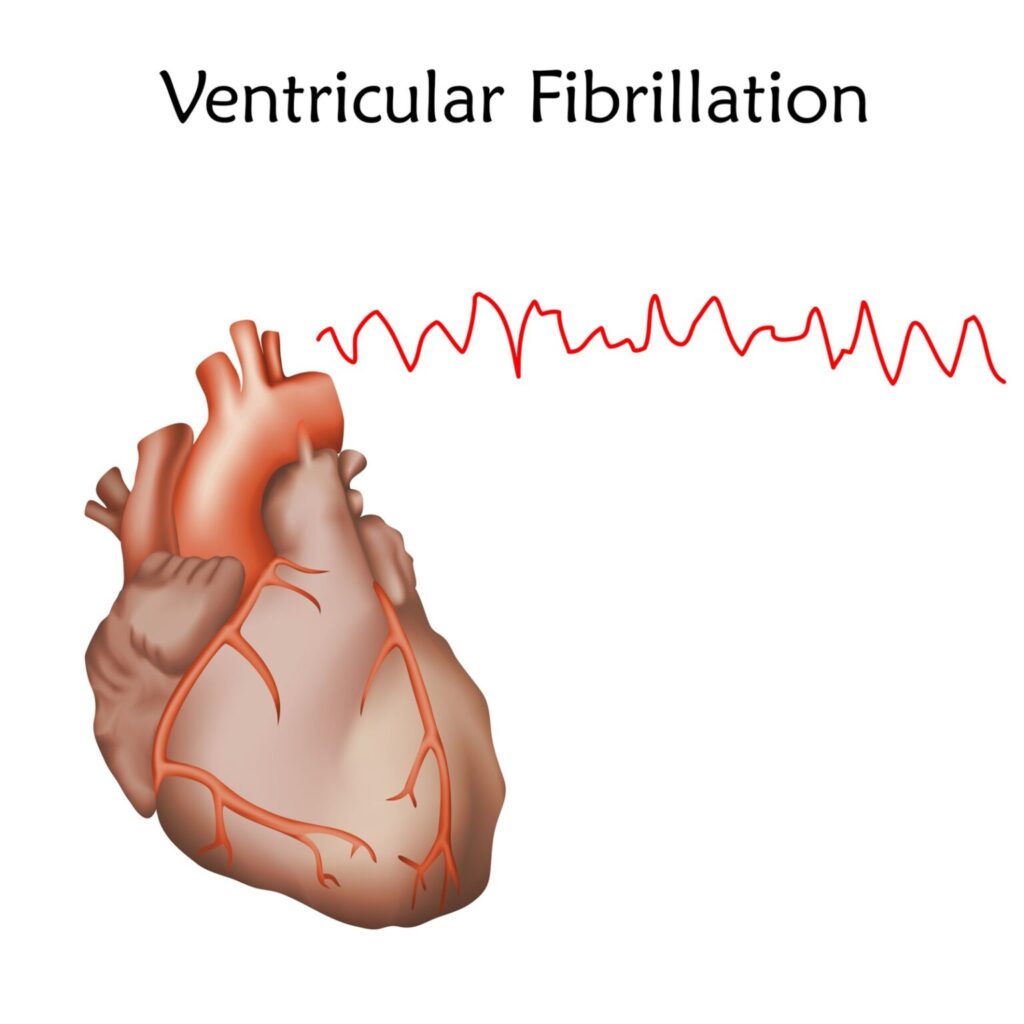
Ventricular Fibrillation: Understanding the Deadly Heart Rhythm Ventricular fibrillation (VFib) is a life-threatening cardiac arrhythmia characterized by rapid, chaotic electrical activity in the heart’s lower chambers, the ventricles. This irregular rhythm disrupts the heart’s ability to pump blood effectively, leading to sudden cardiac arrest if not treated promptly. The Mechanism of Ventricular Fibrillation Normally, the heart’s electrical signals coordinate the rhythmic contraction and relaxation of its chambers, ensuring blood is pumped efficiently to the body. However, in ventricular fibrillation, this coordination breaks down, causing the ventricles to quiver rapidly instead of contracting and pumping blood. Without proper blood flow to vital organs, the body quickly succumbs to oxygen deprivation, leading to loss of consciousness and death within minutes if not intervened. Causes and Risk Factors Ventricular fibrillation often occurs in individuals with underlying heart conditions, although it can also result from other factors. Common causes and risk factors include: Signs and Symptoms Unlike other cardiac arrhythmias, ventricular fibrillation often presents suddenly and without warning. Common signs and symptoms include: Sudden Loss of Consciousness: VFib can cause an abrupt loss of consciousness, often without any preceding symptoms. Absence of Pulse: During VFib, the heart’s erratic activity may result in the absence of a detectable pulse. Gasping or Agonal Breathing: Some individuals may exhibit gasping or abnormal breathing patterns. Pale or Bluish Skin: Oxygen deprivation may lead to changes in skin color, such as pallor or cyanosis. Treatment and Management Immediate intervention is crucial in treating ventricular fibrillation and restoring normal heart rhythm. The following steps are typically taken: Cardiopulmonary Resuscitation (CPR): CPR helps maintain blood circulation and oxygenation until advanced medical help arrives. Defibrillation: Defibrillation delivers an electric shock to the heart to interrupt VFib and restore a normal rhythm. Automated External Defibrillators (AEDs) are often used in emergency settings. Advanced Cardiac Life Support (ACLS): Healthcare providers may administer medications and perform additional interventions to stabilize the patient’s condition. Coronary Interventions: In cases where coronary artery disease is the underlying cause, procedures such as angioplasty or stent placement may be necessary to restore blood flow to the heart. Prevention Strategies While ventricular fibrillation can occur suddenly and unpredictably, certain measures can help reduce the risk: Maintain Heart Health: Adopting a heart-healthy lifestyle, including regular exercise, a balanced diet, and managing risk factors such as hypertension and high cholesterol, can lower the risk of VFib. Medication Adherence: Take prescribed medications as directed, especially those for managing conditions such as hypertension or coronary artery disease. Avoidance of Triggers: Minimize exposure to substances known to increase the risk of VFib, such as illicit drugs or excessive alcohol. Regular Medical Check-ups: Routine check-ups with healthcare providers can help monitor heart health and detect any underlying conditions early. Ventricular fibrillation is a serious cardiac emergency that requires immediate intervention. By prioritizing heart health and adopting preventive measures, individuals can reduce their risk of experiencing this deadly heart rhythm disorder. Remember, early action can make all the difference when it comes to combating ventricular fibrillation and preserving life.
Understanding Cardiomyopathy: A Guide for Patients
Understanding Cardiomyopathy: A Guide for Patients What is Cardiomyopathy? Causes and Risk Factors: Symptoms: Diagnosis and Medical Tests: Treatment Options: Lifestyle Modifications and Self-Care: